Fantastic experience from consultation to treatment, My electrologist is so knowledgeable and made me feel completely at ease.
Electrolysis Treatment

| Treatment |
Duration |
Price |
| Free Consultation & Test Patch |
Consultation |
Free |
| Electrolysis Hair Removal |
5 mins |
£15 |
| Electrolysis Hair Removal |
10 mins |
£20 |
| Electrolysis Hair Removal |
15 mins |
£30 |
| Electrolysis Hair Removal |
30 mins |
£50 |
| Electrolysis Hair Removal |
45 mins |
£70 |
| Electrolysis Hair Removal |
1 hr |
£85 |
Not sure how much time you need? Book a free consultation and test patch and we’ll recommend the most suitable appointment length for your goals.


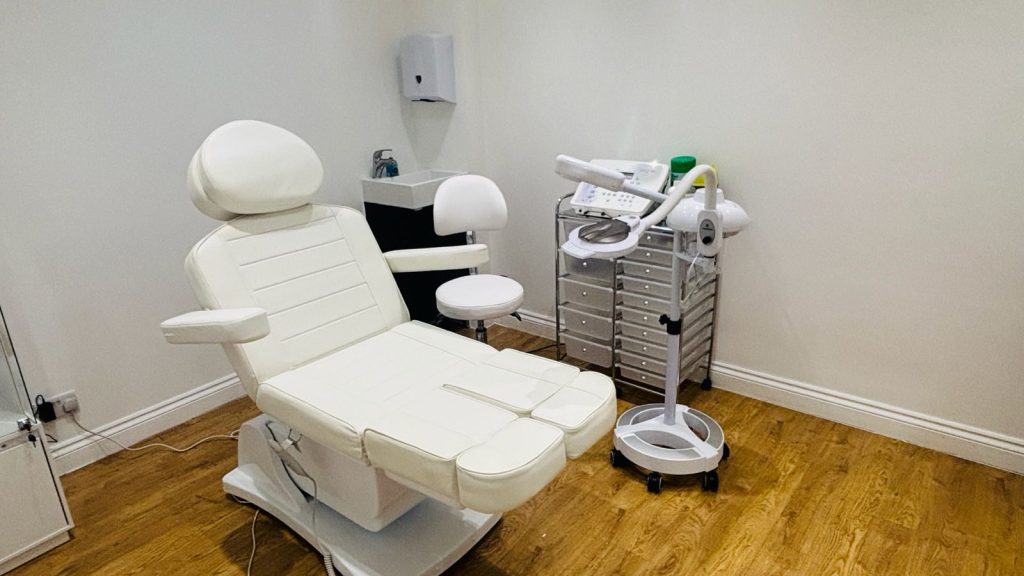
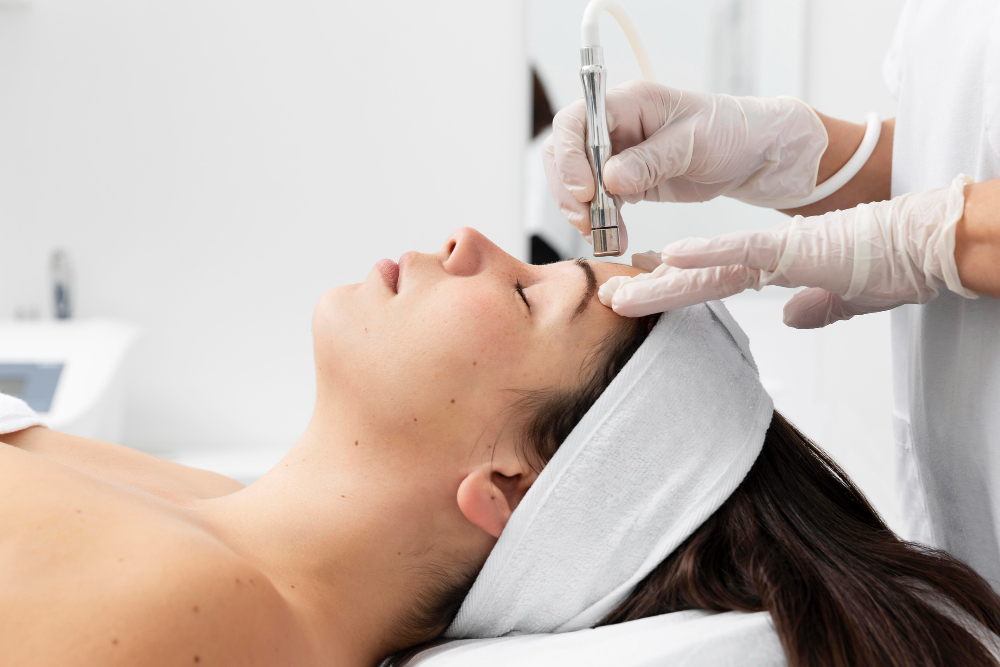
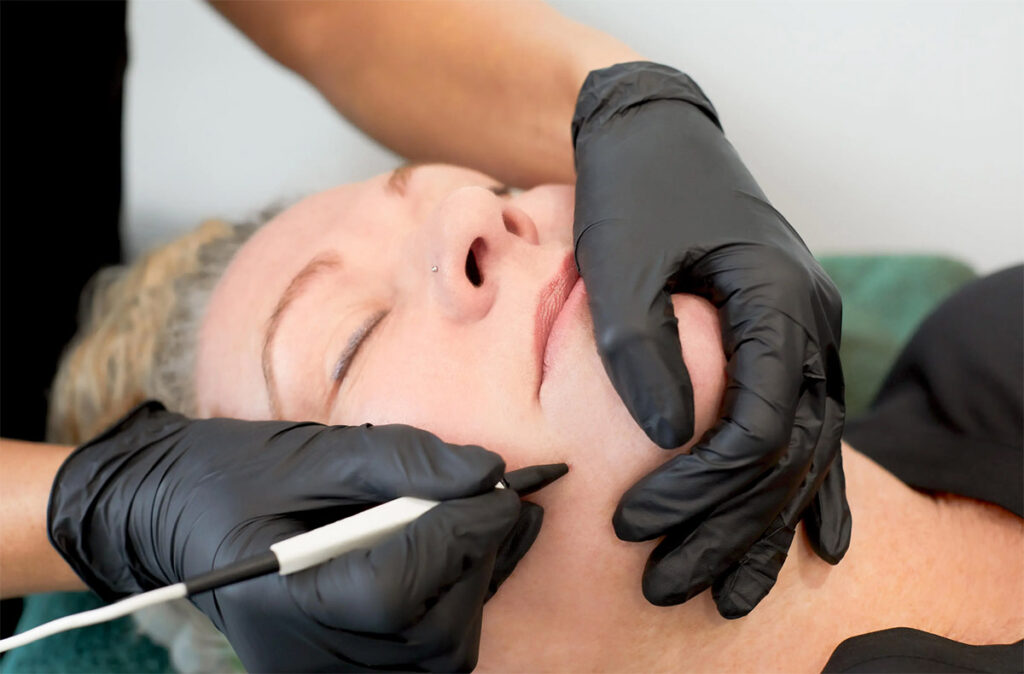
Enjoy professional, one-to-one care in our modern, private treatment room in the heart of Marylebone. We use advanced electrolysis equipment to ensure safe, precise and comfortable treatments.
Fantastic experience from consultation to treatment, My electrologist is so knowledgeable and made me feel completely at ease.
The best decision I made. The results are permanent and the care I received was exceptional. Highly recommend!
I’ve tried laser in the past with little success. Electrolysis at BeautiClinic has been a game changer. Professional, effective and I finally feel confident.


Electrolysis is a clinically proven method of permanent hair removal that has been trusted for over 140 years. It works by treating each individual hair follicle with a fine sterile probe. A controlled electrical current is delivered directly to the follicle, permanently destroying the cells responsible for hair growth.
Once a follicle has been successfully treated, it is unable to produce another hair. Because every hair grows in its own cycle, multiple treatments are needed to target hairs as they become active.
Unlike temporary methods such as shaving, waxing or threading, electrolysis offers a genuine permanent solution rather than a temporary fix.
Although both treatments aim to reduce unwanted hair, they work very differently.
Electrolysis
Laser Hair Removal
If your goal is to permanently remove every unwanted hair, electrolysis remains the gold standard.
One of the biggest misconceptions is that laser permanently removes hair.
In reality, laser hair removal is designed to achieve permanent hair reduction, meaning fewer hairs grow back over time. Electrolysis, however, permanently destroys the treated follicle, preventing future hair growth.
This is why electrolysis is recognised as the only method of permanent hair removal by regulatory bodies such as the FDA and has remained the benchmark treatment for decades.
Although uncommon, laser hair removal can sometimes stimulate additional hair growth in certain individuals. This rare side effect is known as paradoxical hypertrichosis.
It is most commonly reported:
Instead of reducing the hair, some previously fine hairs can become darker, thicker and more noticeable.
Electrolysis is often recommended to permanently remove this unwanted hair after laser-induced growth because it destroys the follicle rather than relying on pigment.
Yes.
Electrolysis can safely treat virtually any area where unwanted hair grows.
Common treatment areas include:
• Upper lip
• Chin
• Sideburns
• Neck
• Eyebrows
• Underarms
• Arms
• Abdomen
• Chest
• Back
• Bikini line
• Legs
• Toes
• Fingers
Unlike laser, electrolysis is not limited by hair colour or skin tone, making it suitable for every client.
It can also be used on larger areas. While treatment takes longer because each follicle is treated individually, many clients choose electrolysis for permanent results after reducing bulk with other methods or simply because they want complete, lifelong hair removal.
Pain is one of the most common questions people ask.
The sensation varies from person to person, but most clients describe it as a brief warmth, tingling or tiny pinprick rather than severe pain.
Some areas of the body are naturally more sensitive than others, but treatments are usually very manageable.
As sessions progress and fewer hairs remain, treatment often becomes quicker and more comfortable.
Many clients feel that any temporary discomfort is worthwhile for the permanent results.
Hair grows in different stages, and only hairs in the active growth phase can be permanently treated.
This means multiple appointments are needed over several months to successfully treat every follicle during its natural growth cycle.
The number of sessions depends on factors such as:
• Treatment area
• Hair density
• Previous hair removal methods
• Hormonal influences
• Individual hair growth cycles
With consistent treatment, hair becomes finer, sparser and eventually disappears permanently.
Yes. Electrolysis hair removal is ideal for facial hair removal, including areas that require a high level of precision, such as the eyebrows, upper lip, chin, sideburns and other small areas of unwanted facial hair.
One of the main advantages of electrolysis is its precision. Each individual hair follicle is treated separately, allowing the electrologist to target specific unwanted hairs while leaving the surrounding hairs untouched. This makes electrolysis particularly useful for eyebrow hair removal and shaping, where precise treatment is important.
Laser hair removal treats a larger area at once and relies on pigment within the hair, so it does not provide the same individual-hair precision as electrolysis.
Laser treatment can also, in uncommon cases, stimulate increased hair growth, known as paradoxical hypertrichosis. This has been reported particularly when treating finer hairs and areas such as the face and neck. Electrolysis does not rely on hair pigment and instead treats each individual follicle directly.
Yes. Electrolysis can permanently treat grey, white, blonde, red and dark hair, making it an excellent option for hairs that laser hair removal may not effectively treat.
Laser hair removal works by targeting pigment (melanin) within the hair. Because grey, white and very light blonde hairs contain little or no pigment, laser may be ineffective on these hairs.
Electrolysis works differently. A very fine sterile probe is inserted into the individual hair follicle and electrical energy is used to destroy the cells responsible for hair growth. Because the treatment does not depend on hair colour, it can be used on all hair colours and a wide range of hair types.
This makes electrolysis particularly useful for clients who have grey, white or blonde facial or body hair, or remaining light hairs following a course of laser hair removal.
Yes. Electrolysis hair removal can be very effective on fine facial hair because each individual hair follicle is treated directly.
Fine or lightly pigmented hairs may not respond well to laser hair removal because laser relies on sufficient pigment within the hair to absorb the energy.
In uncommon cases, laser treatment of fine hair can also be associated with paradoxical hypertrichosis, where hair growth increases rather than decreases and previously fine hairs may become more noticeable.
Electrolysis does not depend on the colour or thickness of the hair. This makes it an excellent option for treating fine unwanted facial hair, including individual hairs on the chin, upper lip, cheeks, jawline and neck.
Electrolysis hair removal can be used to treat unwanted hair on virtually all areas of the face and body where treatment is appropriate.
Common treatment areas include the eyebrows, upper lip, chin, cheeks, jawline, neck, ears, chest, stomach, back, shoulders, arms, underarms, hands, fingers, legs, feet, toes and bikini area.
Because electrolysis targets hairs individually, it can treat both small, precise areas and larger areas of unwanted body hair. It can also be used on fine or thick hairs and all hair colours, including dark, blonde, red, grey and white hair.
This makes electrolysis particularly useful for individual unwanted hairs, facial hair, body hair and hairs that laser hair removal cannot effectively treat.
Yes. Electrolysis hair removal can be an excellent option if laser hair removal has not worked well for you, or if you still have unwanted hairs remaining after a course of laser treatments.
Laser hair removal relies on pigment within the hair to absorb the laser energy, which means results can vary depending on your hair colour, hair thickness, treatment area and other individual factors. Fine, blonde, red, grey and white hairs can be particularly difficult for laser to treat effectively.
Electrolysis works differently. Instead of relying on hair pigment or treating many hairs at once, electrolysis treats each individual hair follicle directly. This means it can be used on all hair colours and both fine and thick hairs.
Electrolysis can therefore be particularly useful for people who have completed laser hair removal but have remaining hairs that laser has struggled to remove, including isolated facial hairs, fine hairs and grey, white or blonde hairs.
If laser has reduced some of your hair but has not achieved the result you wanted, electrolysis can be used to target the remaining unwanted hairs individually for permanent hair removal.
Yes. We can offer electrolysis hair removal clearing, where the aim is to treat and remove all suitable visible hairs within a particular area during a treatment period.
After an initial clearing, the skin and hair growth cycle are given time before the area is treated again. New hairs will appear because different follicles enter their active growth phase at different times.
For suitable clients, further clearings may be planned at approximately four-month intervals, depending on the treatment area, hair-growth cycle and individual response.
With each clearing, the aim is to permanently treat more of the unwanted follicles, so the amount of hair returning should progressively decrease.
The exact number of clearings required varies from person to person. While some clients may see a substantial reduction after several clearings, we cannot guarantee that a particular number of clearings will permanently remove every hair. Your electrologist will assess your hair growth and recommend an appropriate treatment schedule during your consultation.
An electrolysis clearing means treating all suitable visible unwanted hairs in a particular area rather than treating for a short appointment time and leaving some visible hairs untreated.
Because hairs grow at different times and pass through different stages of the hair-growth cycle, one clearing cannot permanently remove every follicle in an area.
Instead, the area is cleared and then allowed time for previously inactive hairs to enter a treatable stage. The area can then be cleared again.
Over successive clearings, fewer untreated follicles remain and the amount of unwanted hair should progressively decrease.
Both electrolysis and laser can be used to treat unwanted hair, but they work in very different ways.
Electrolysis treats one individual hair follicle at a time. A fine sterile probe is used to deliver electrical energy directly into the follicle. This makes electrolysis extremely precise and allows individual unwanted hairs to be permanently treated.
Laser hair removal treats many hairs simultaneously. The laser covers a larger treatment area with each pulse — rather than targeting one individual follicle at a time — and works by targeting pigment within the hair.
Laser hair removal results can be unpredictable. You may achieve good reduction on thick, dark hairs, however results vary significantly depending on hair density, skin type and hormonal factors. In some cases, particularly when treating finer facial hairs, laser can stimulate increased hair growth known as Paradoxical Hypertrichosis, where hairs may become more noticeable, thicker or darker rather than reduced.
Because laser relies on pigment, it also has limited effectiveness on fine, light or low-pigment hairs, and may not successfully clear all hairs in an area. As a result, some clients require ongoing maintenance or “top-up” sessions, and complete clearance of all unwanted hairs is not always achievable.
In contrast, electrolysis is effective on both thick and fine hairs, as well as all hair colours including grey, white and blonde. Each follicle is treated individually, and once a hair has been successfully treated, it is permanently removed.
Because of this difference, laser can be useful for quickly reducing larger areas of suitable pigmented hair, while electrolysis is particularly valuable when precision or permanent removal of individual hairs is required.
Electrolysis also has the advantage of being the only method of permanent hair removal and is effective on grey, white, blonde and red hairs that laser may not effectively treat.
For clients who have completed laser hair removal but still have lighter, finer or isolated hairs remaining, electrolysis can also be used to permanently treat those individual hairs.
Yes, absolutely. Men are very welcome for electrolysis hair removal, and we regularly treat male clients who want permanent removal of unwanted facial or body hair.
Electrolysis can work very well on men’s thicker, coarser hairs, as well as finer hairs, and can be used on all hair colours including dark, blonde, red, grey and white hair.
Common treatment areas for men include the eyebrows, ears, nose, cheeks, beard line, neck, shoulders, back, chest, stomach, arms, hands and other areas of unwanted body hair.
Because every individual follicle is treated directly, electrolysis is also an excellent option for men who have remaining hairs after laser hair removal, hairs that laser cannot effectively treat, or who want precise permanent removal of particular hairs.
Both men and women are welcome at our London clinic, and treatment can be tailored to the area, hair type and amount of unwanted hair you would like removed.
Yes. We welcome international clients travelling to London for electrolysis hair removal, including clients who would like longer appointments or an electrolysis clearing during their visit.
For clients travelling from overseas, we can discuss a treatment plan in advance and, where suitable, arrange longer electrolysis sessions or clearing appointments to treat as many suitable visible hairs as possible during your time in London.
Our Central London clinic is conveniently located for international visitors, with a wide range of hotels and accommodation available nearby. This makes it possible to arrange your accommodation before travelling and stay close to the clinic during your treatment.
If you are travelling specifically for electrolysis, we recommend contacting us before booking your flights and hotel so we can discuss your treatment area, the amount of hair you would like treated, appointment availability and whether a clearing or longer treatment session would be suitable for you.
International clients are welcome to contact us before travelling to discuss their requirements and plan their electrolysis hair removal treatment in London.
Electrolysis hair removal can cause some discomfort, but how it feels varies from person to person and depends on the area being treated, individual sensitivity and the treatment settings required.
During electrolysis, a very fine sterile probe is inserted into the natural opening of the hair follicle and a small amount of electrical energy is delivered to treat the follicle. You may feel a brief warm, tingling or stinging sensation as each hair is treated.
After treatment, it is normal for the area to have some temporary redness, sensitivity or slight swelling around the treated follicles. This usually settles as the skin recovers.
If you are concerned about discomfort, please discuss this with your electrologist during your electrolysis consultation, particularly if you are considering a longer appointment or a full clearing session.
No. You should not pluck, wax, thread or use any other hair-removal method that removes the hair from the root between electrolysis appointments.
For electrolysis to successfully treat an unwanted hair, the electrologist needs to be able to see the hair and access its follicle. Plucking, waxing or threading removes the hair from the follicle, meaning there may be no hair available to treat at your next appointment.
Between electrolysis treatments, you can trim or shave the unwanted hairs if necessary, as these methods do not remove the hair from the root.
Before your next electrolysis appointment, allow enough hair growth for the electrologist to clearly see and treat the hairs.
For the best progress with permanent hair removal, we recommend avoiding plucking, waxing and threading throughout your electrolysis treatment programme.
No, we recommend that you do not shave immediately before your electrolysis appointment. The longer you can leave the hair to grow out of the follicle before treatment, the better, as this allows the electrologist to clearly see the hairs and treat them individually.
If the hair becomes too long or you would prefer to keep it less noticeable between appointments, trimming the hair down is the preferred option rather than shaving it completely.
You should also avoid plucking, waxing or threading, as these methods remove the hair from the follicle and can interfere with your electrolysis treatment programme.
For the best results, allow the unwanted hairs to grow naturally between appointments where possible. If necessary, carefully trim the hairs while leaving enough visible growth for your electrologist to identify and treat them at your next appointment.
Yes. We can treat and clear a large amount of unwanted hair during a longer electrolysis appointment, depending on the treatment area, hair density and how your skin responds to treatment.
This is known as an electrolysis hair clearing. Rather than having a short appointment and treating only some of the visible hairs, a longer clearing session aims to treat as many suitable visible hairs in the area as possible.
For clients with a larger amount of unwanted hair, we can arrange extended electrolysis appointments to work through the area systematically. Where appropriate, the aim can be to achieve a complete first clearing of the visible hairs.
Once the first clearing has been completed, the area is given time to rest and for hairs from other growth cycles to appear. A further clearing can then be performed. For suitable clients, these clearings may be planned at approximately four-month intervals.
With each clearing, the amount of unwanted hair should progressively decrease as more follicles are permanently treated.
Longer clearing appointments can be particularly useful for facial hair, body hair, dense hair growth, remaining hair after laser hair removal, and clients travelling to London from elsewhere in the UK or internationally.
If you are considering a large-area or extended electrolysis clearing, we recommend an electrolysis consultation first so we can assess the area and plan the most appropriate treatment schedule.
Yes. Electrolysis hair removal can be an effective option for unwanted facial hair associated with PCOS (Polycystic Ovary Syndrome).
PCOS can cause increased facial hair growth due to hormonal changes, commonly affecting areas such as the chin, upper lip, cheeks, jawline and neck. Electrolysis treats each unwanted hair follicle individually and does not depend on the colour or thickness of the hair.
This means electrolysis can treat fine and coarse facial hairs of all colours, including dark, blonde, red, grey and white hairs.
Once an individual hair follicle has been successfully treated with electrolysis, that follicle is permanently treated. However, electrolysis does not treat the underlying hormonal cause of PCOS. Hormonal changes can stimulate previously inactive follicles and cause new hairs to develop, so additional treatment may be required if new hair growth appears.
Electrolysis can therefore be particularly suitable for women with PCOS-related facial hair who want precise, permanent treatment of unwanted hairs, including hairs that may not be suitable for or have not responded well to laser hair removal.
Your treatment programme can be tailored to your individual hair growth, with the aim of progressively reducing and permanently treating unwanted facial hair.
Choosing the right clinic is just as important as choosing the right treatment. At BeautiClinic, we combine professional expertise with personalised care, ensuring every treatment is tailored to your individual goals in a welcoming, relaxing environment in the heart of London.
Whether you’re booking your first treatment or returning for a little self-care, we’d love to welcome you to BeautiClinic.